
An environmental services firm operating nationally under multiple state regulatory frameworks spent weeks each quarter assembling compliance submissions from operational databases, PDF field forms, and finance extracts. Small Pea Software built a reporting platform that ingests validated operational data, applies jurisdiction-specific rules, and produces regulator-ready submissions with full audit trails and approval workflows.
Client Context
The firm manages treatment, transport, and disposal activities tracked against licences issued in New South Wales, Victoria, and Queensland — each with distinct reporting schemas, deadlines, and amendment histories. Compliance staff of four supported operations three times that size, relying on senior individuals who understood idiosyncratic spreadsheet macros. Missed reporting windows had previously attracted penalties and reputational scrutiny during client tenders.
Operational data lived in a custom job system, laboratory results arrived via email attachments, and manifest weights were reconciled manually against weighbridge tickets. Leadership required defensible traceability from field event to submitted line item, with role-separated duties so preparers could not unilaterally finalise submissions.
Problems to Solve
Quarterly reporting cycles consumed approximately three hundred staff hours across compliance and operations support. Version control was informal — filenames with "final_v3" circulated internally while regulators received inconsistent totals from parallel drafts. Cross-border jobs duplicated or omitted volumes when allocation rules were applied manually.
Ad hoc regulator inquiries requested evidence chains months after submission. Reconstructing supporting documents from shared drives and personal archives risked incomplete responses. Laboratory result corrections after submission required painful amendment processes with limited systematic tracking.
Technical Approach
We implemented a web platform with ETL pipelines pulling operational events nightly, validation rules flagging incomplete records before they enter reporting periods, and a rules engine encoding jurisdiction-specific aggregation logic versioned per reporting standard updates. Submission packages generate XML and PDF outputs matching regulator templates, with checksum verification before upload portals accept files.
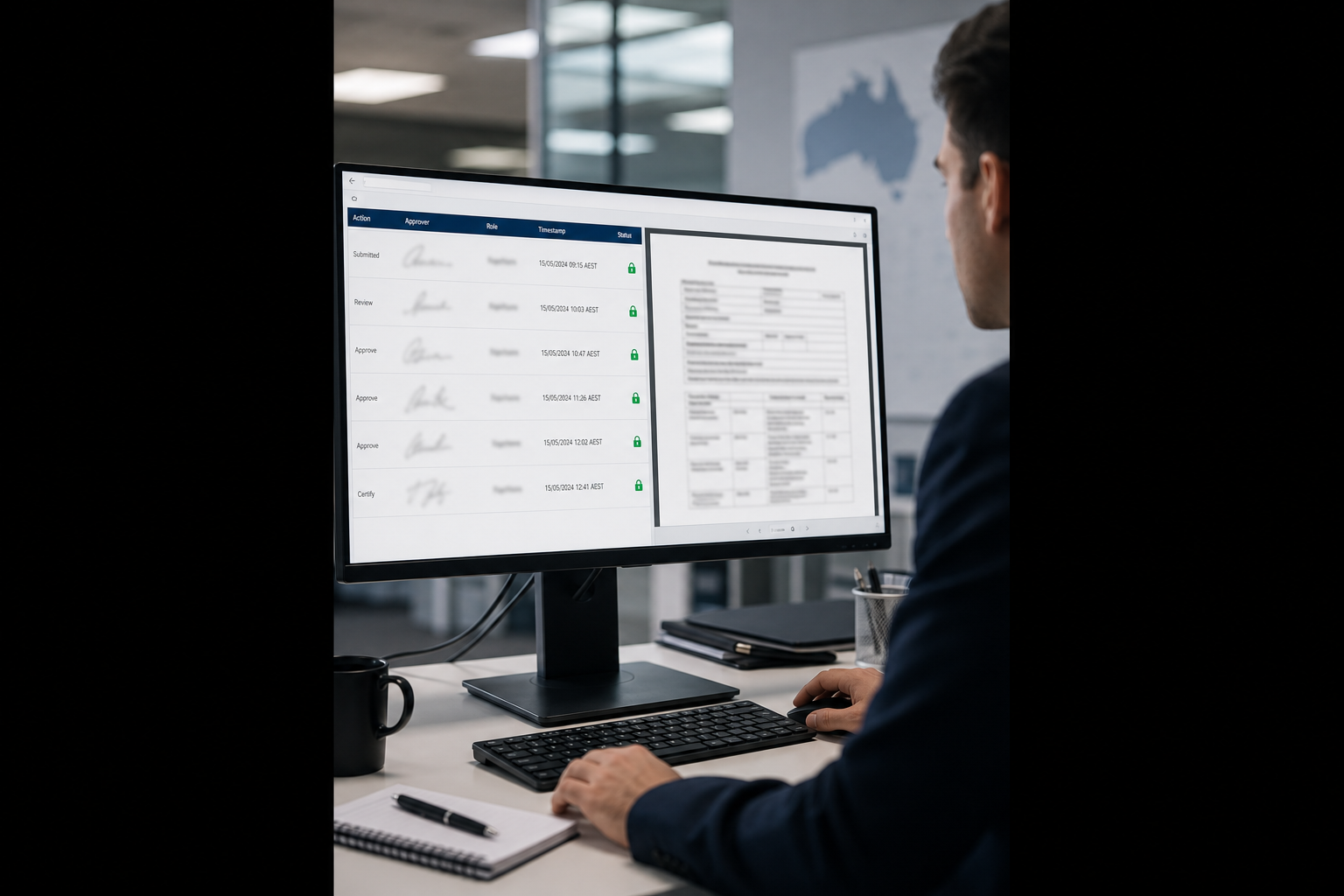
Workflow enforces segregation of duties: preparers assemble drafts, operations managers attest data completeness, compliance officers approve release, and immutable snapshots lock submitted packages with signer metadata. Attachments store scanned weighbridge tickets and lab certificates linked by foreign keys rather than folder conventions.
Challenges
Regulatory schema changes mid-year required hot-swappable rule versions without rewriting historical submissions. We designed rule packs with effective dates and regression tests against prior quarter golden outputs. Laboratory CSV formats varied by provider; parsers normalised units and detection limits with quarantine for ambiguous rows.
Operations resisted additional data entry at job close-out until we demonstrated that upfront validation prevented end-of-quarter fire drills. Change management included embedding validation prompts in the existing job UI via API rather than forcing double entry in a separate silo.
Solutions Delivered
The platform provides a reporting calendar with automated reminders at sixty, thirty, and seven days before deadlines. Draft submissions highlight exceptions — missing lab results, weight variances beyond tolerance, jobs lacking required waste codes — with assignable tasks to site coordinators. Cross-border allocation wizard applies documented rules with override approval logged.
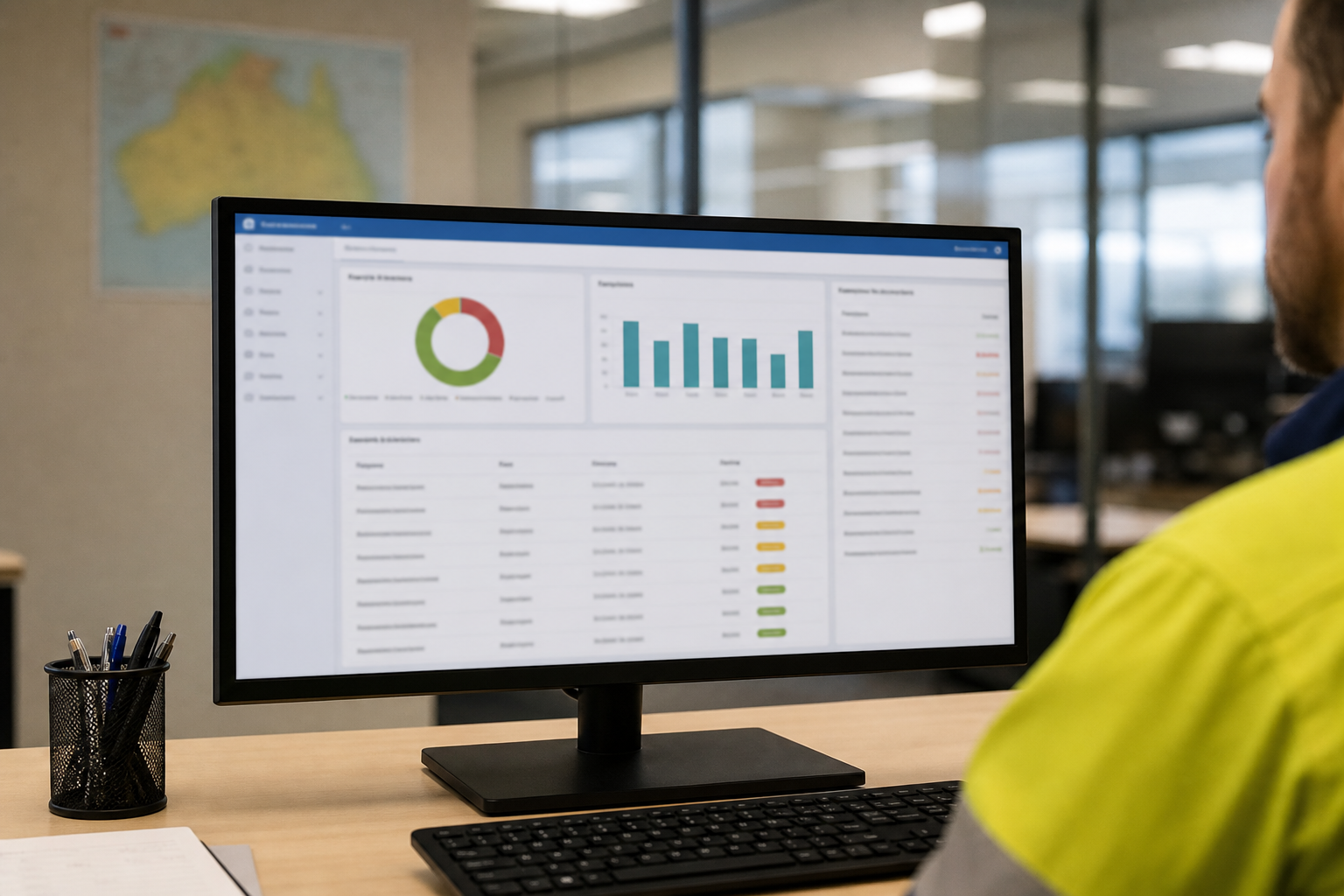
Regulator inquiry mode assembles evidence bundles: submission snapshot, source records, attachments, and transformation logs exportable as structured ZIP with index PDF. Amendment workflows clone prior submissions, track delta justifications, and preserve original filings for comparison. Executive dashboards show compliance health by state and licence condition.
Measurable Outcomes
Quarterly reporting effort reduced from approximately three hundred hours to under ninety hours within two cycles, a seventy percent reduction in manual assembly time. Late submissions dropped to zero in the first full year of platform use across all jurisdictions. Regulator inquiry response preparation decreased from multi-day searches to same-day bundle generation in four documented cases.
Internal audit found one hundred percent traceability from submitted lines to source job records for tested samples. Amendment processing time halved with structured delta workflows. The firm engaged Small Pea Software for ongoing rule pack maintenance when two states updated reporting schemas in the following financial year.
Compliance staff described the shift from quarter-end assembly to continuous validation as the largest cultural change — exceptions were resolved when jobs closed rather than discovered days before a regulator deadline. Operations managers accepted upfront validation prompts once they saw end-of-quarter fire drills disappear. That alignment between field discipline and reporting outcomes is difficult to achieve with spreadsheet-based processes alone.