
An Australian wholesale distributor serving several hundred B2B accounts needed a secure portal where clients could raise service requests, track resolution progress, download statements, and manage user access — without flooding the internal helpdesk with phone calls and unstructured emails. Small Pea Software built a tailored customer-facing application integrated with their CRM and order management backend.
Client Context
The distributor supplies industrial consumables to manufacturing and facilities clients nationally, with concentration in Victoria and Queensland. Account managers handled client communication through personal inboxes, making coverage during leave unpredictable. Clients had no single place to view open issues, expected response times, or historical correspondence. Contractual SLAs existed on paper but were not visible to clients or consistently measured internally.
Leadership wanted to scale service operations without proportional headcount growth. A consumer-style ticketing SaaS product was trialled but lacked B2B requirements: multi-user account hierarchies, purchase order references on every request, credit hold visibility, and branded experiences per major account group. They selected Small Pea Software to deliver a portal aligned to their CRM data model and approval policies.
Problems to Solve
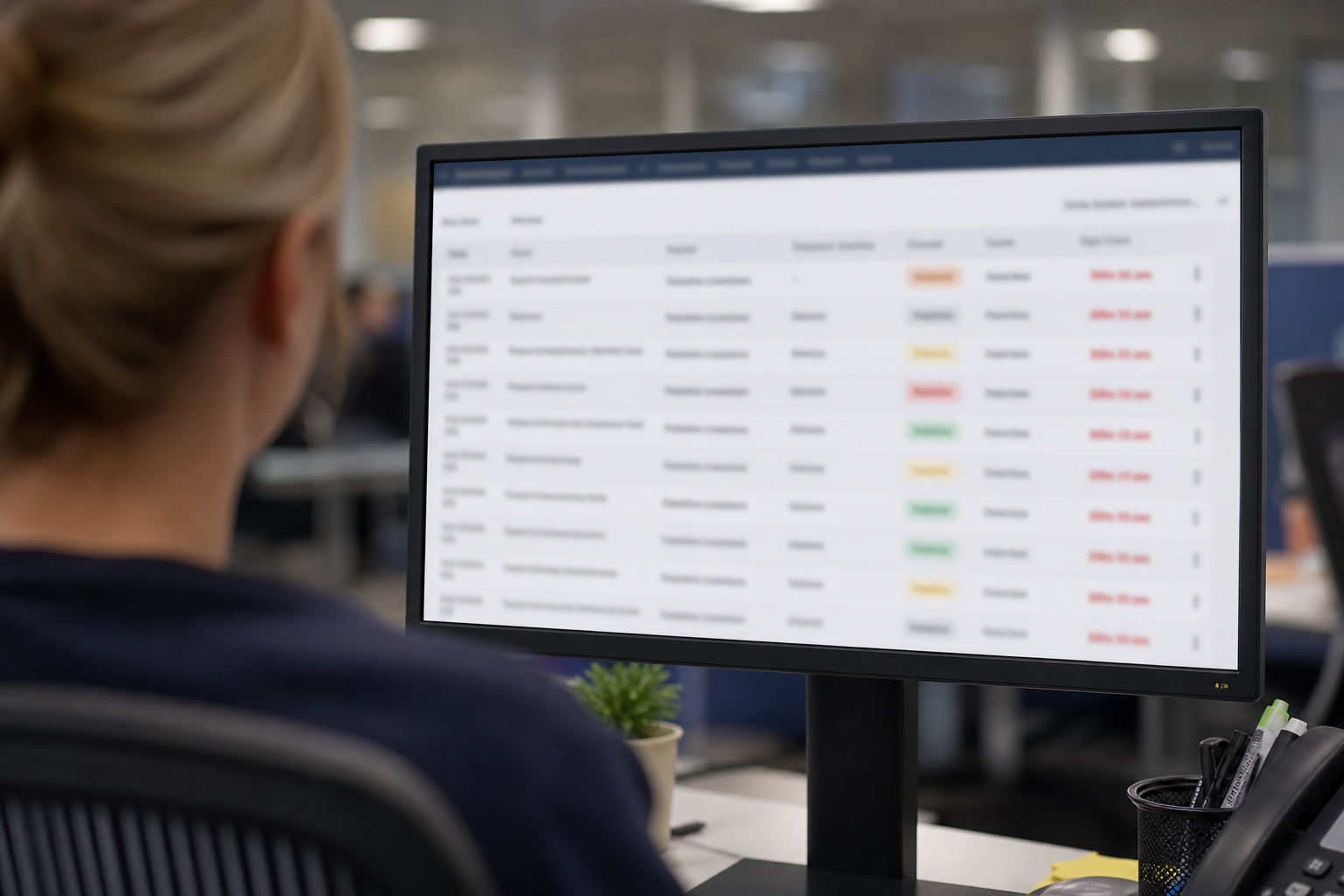
Support requests arrived through six channels — phone, email, account manager mobiles, web form, EDI exceptions, and warehouse floor escalations. Triage was manual and duplicated. Clients received inconsistent acknowledgements; some issues were worked without ever receiving a ticket number. Internal teams could not report SLA compliance accurately because start timestamps were ambiguous.
Clients frequently asked for duplicate invoices, delivery proofs, and credit note status — each requiring staff to search multiple systems. Account hierarchies meant a regional buyer and a head office approver needed different visibility into the same corporate account. Self-service was minimal, driving preventable contact volume.
Technical Approach
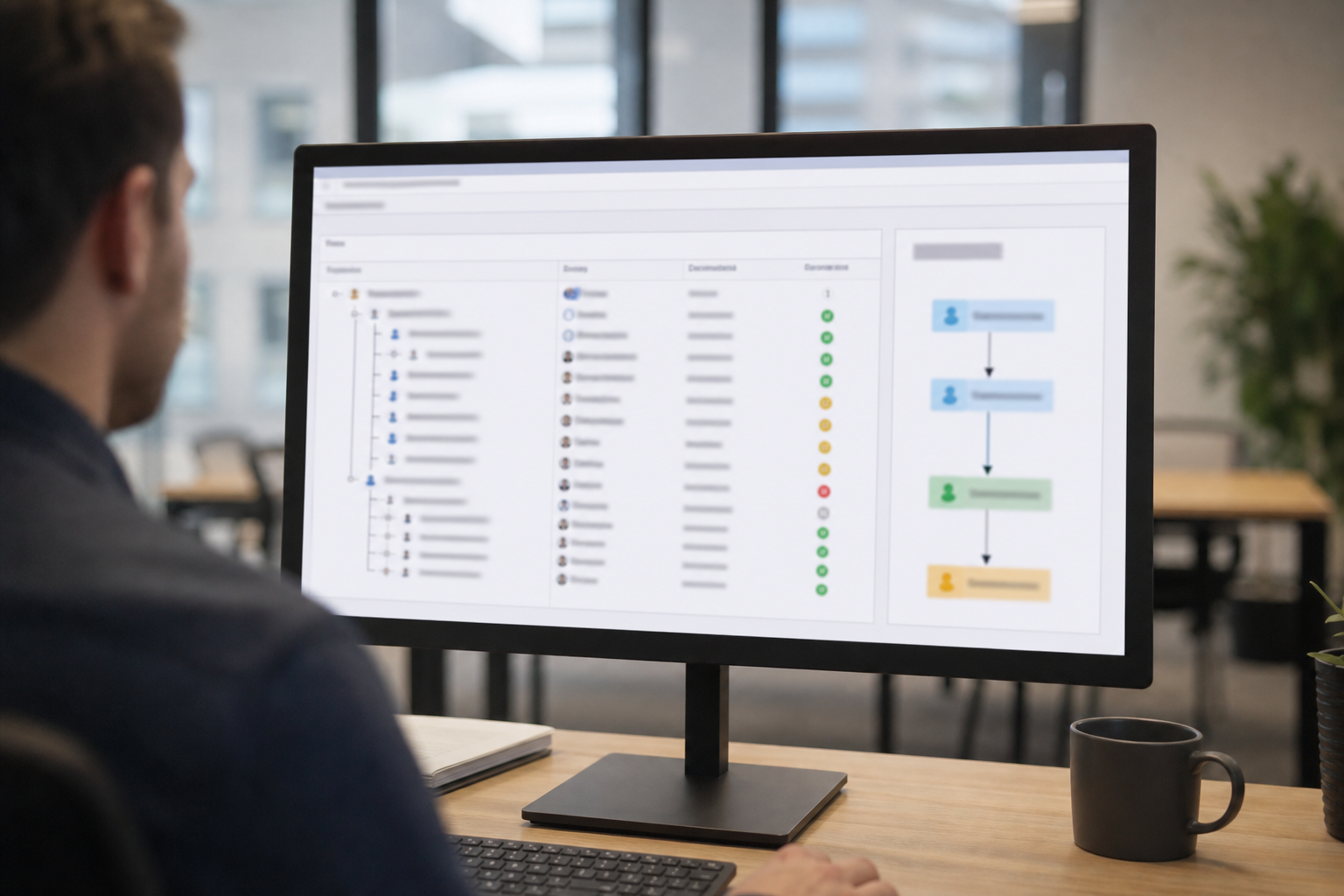
We implemented a secure portal with SAML-based single sign-on for enterprise clients and email-verified registration for smaller accounts. Ticket entities synchronised bidirectionally with the CRM via API, preserving the CRM as the internal agent workspace while clients interacted through a simplified interface. Role templates defined permissions for requesters, approvers, and read-only finance viewers within each account hierarchy.
Document retrieval pulled PDF invoices and delivery dockets from the document archive service using hashed, time-limited download links. Webhook notifications informed clients of status changes and pending approvals. An internal SLA engine calculated business-hour clocks with public holiday calendars per state.
Challenges
Enterprise clients demanded custom fields on tickets reflecting their internal cost centre codes — forty variants across top accounts. We delivered configurable field schemas per account tier without branching core code for each client. Load testing revealed CRM API rate limits during bulk status imports; we introduced a queue with backoff and dead-letter alerting.
Privacy requirements prohibited exposing one client's ticket metadata to another user even within poorly defined corporate groups. We enforced strict tenant scoping with automated tests simulating cross-account access attempts. User provisioning workflows required account manager approval to prevent unauthorised registrations claiming existing contracts.
Solutions Delivered
The portal unified request intake with mandatory categorisation, attachment limits, and order linkage validation. Clients see transparent status timelines, assigned team, and SLA countdowns. Self-service document retrieval covers invoices from the prior thirty-six months with search by PO number and delivery date. Account managers gained a dashboard of at-risk SLAs before clients escalated through commercial channels.
Branded sub-portals for two major account groups reused core functionality with customised welcome content and field sets — delivered as configuration layers rather than separate codebases. Internal reporting exports feed weekly service reviews with first-response time, resolution time, and reopen rates by category.
Measurable Outcomes
Within six months, phone and unstructured email volume to the service desk fell by thirty-four percent for enrolled portal accounts. Average first-response time improved from 11.8 business hours to 4.6 hours due to automated acknowledgement and CRM queue routing. SLA breach rate on P1 categories dropped from nine percent to under three percent with proactive manager alerts. Self-service document downloads averaged twelve hundred per month, deflecting an estimated eighty staff hours monthly.
Client satisfaction scores from quarterly surveys rose measurably among portal-active accounts. The distributor continues phased onboarding of remaining accounts with Small Pea Software providing integration monitoring and feature increments based on service team feedback.
Account managers noted that commercial conversations improved when SLA performance was visible to clients before escalation — disputes shifted from whether response targets were met to how quickly remaining work would close. Internal service leads spent less time assembling status updates and more time resolving root causes, which was the operational intent behind self-service transparency from the outset.